One codebase, two mobile platforms
A shared codebase lets both app versions evolve in one project. We test interface behaviour and key scenarios separately on Android and iOS.
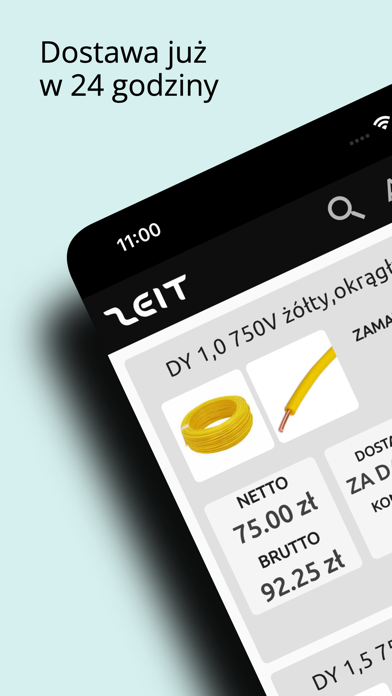
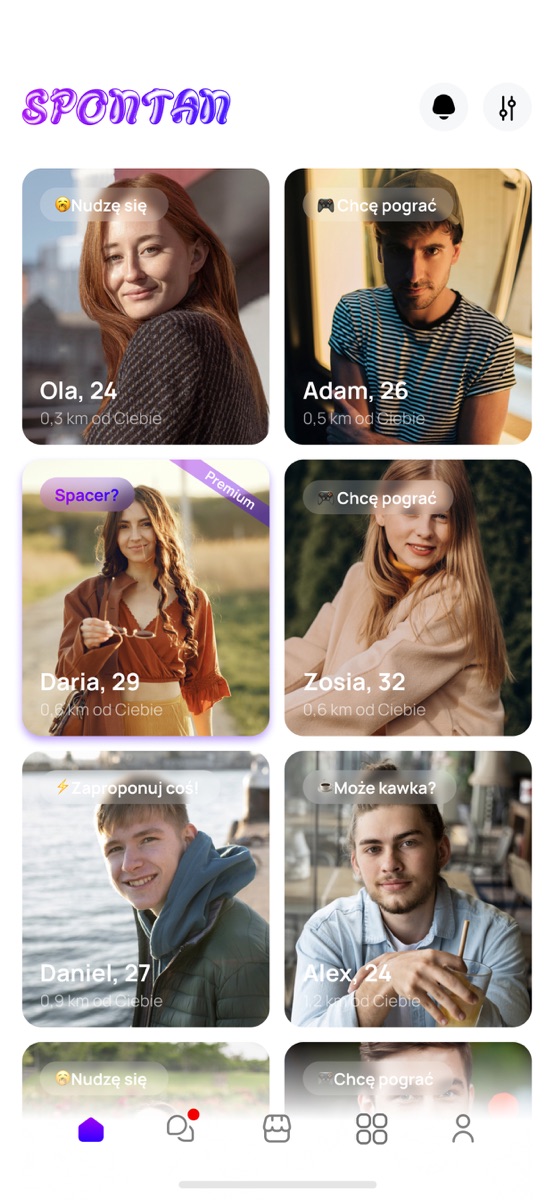
Our portfolio includes apps for different needs: ZEiT provides a catalogue and shopping, while Spontan combines profiles, chat and local offers.
Mobile app and backend
A REST API connects the app to the server. We define data structures, error handling and access rules. Sign-in and authorisation follow the product's needs — not every process requires an account; ZEiT supports shopping without registration.
External integrations are chosen to suit the app. In Spontan, a Laravel backend, PostgreSQL, Redis queues and Laravel Reverb handle data and real-time chat. Firebase Cloud Messaging delivers push notifications.
Flutter publication, maintenance and development
Deployment includes preparing the app for mobile distribution. ZEiT and Spontan are available on the App Store and Google Play; store links are in the project descriptions.
We agree on maintenance and further development. Taking over an existing Flutter project starts with reviewing its structure, state management, API, dependencies and SDK version. We also verify Android and iOS configuration and the build/release process so a release can be reproduced before making changes.
When is Flutter a good choice?
Consider Flutter when an app targets Android and iOS and most screens and rules are shared. One team can develop common logic, but testing and release preparation are still needed for each platform.
For extensive hardware integration, unusual background behaviour or strongly different platform interfaces, we first assess native integration availability and quality. Flutter can use native code, but it is not always the simplest or cheapest option.